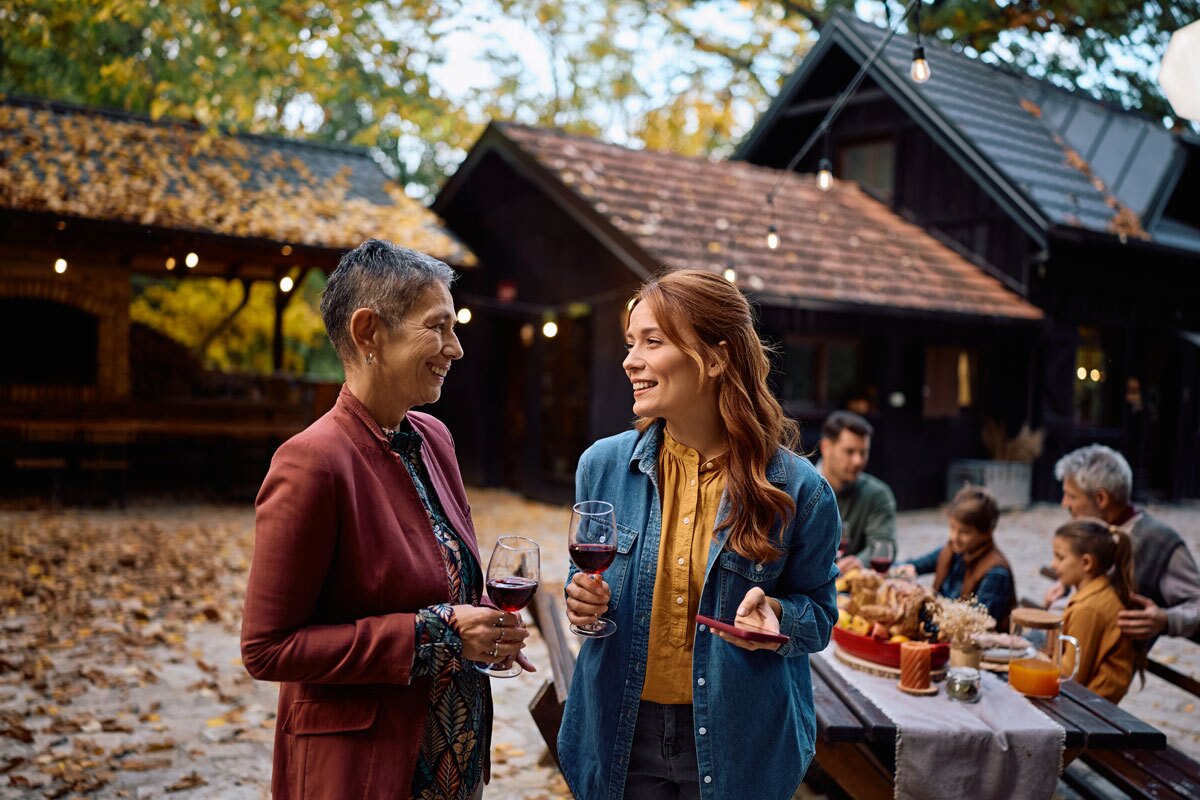
There’s something deeply satisfying about gathering friends around a table as the seasons turn – when the air sharpens, the light softens, and the wines seem to taste richer. Fall and winter invite a certain kind of entertainment: intimate, considered, and full of warmth. A wine tasting event offers the perfect structure for this kind of evening – one where conversation flows as freely as the wine pours, and every detail feels intentional.
Learning how to plan a wine tasting event is less about following rigid rules and more about creating an experience that reflects your own sense of hospitality. Whether you’re planning a gathering in wine country or hosting at home, the principles remain the same: thoughtful wine selection, a welcoming wine tasting set up, and a narrative thread that ties each glass to the season, the place, and the people at your table.
This guide will walk you through the essentials – from choosing wine and structuring the flow with a wine tasting grid, to crafting a wine tasting introduction that sets the tone for the evening. The goal is to host with confidence and grace, allowing your guests to relax into the experience while you guide them through a journey of taste, story, and discovery.
Setting the Scene: Creating a Wine Tasting Set Up That Wows
The atmosphere you create shapes the entire tasting experience. In fall and winter, your wine tasting set up should feel warm, layered, and inviting – a counterpoint to the chill outside. Think candlelight instead of overhead lighting, linen napkins over paper, and a table arrangement that encourages conversation rather than formality.
Start with your table. A long, uncluttered surface works best, allowing each guest enough space for their glass, tasting notes, and a small plate. Incorporate seasonal textures: wool throws draped over chairs, ceramic or wooden chargers, sprigs of rosemary or bay laurel tucked into napkin rings. These small gestures signal that care has been taken, that this evening matters.
Glassware is worth attention. Provide one glass per guest for the tasting (clearing and resetting between flights if needed), or offer a fresh glass for each pour if space and logistics allow. Label each wine subtly on small cards or a printed menu so guests can follow along without confusion.
Lighting sets the mood. Dim the overheads and let candles or low lamps do the work. In winter, a fireplace (if you have one) becomes the heart of the room. The goal is to create a space that feels both refined and comfortable, where guests can settle in and stay awhile.
Engaging Guests Through Wine Storytelling
A great wine tasting event is never just about what’s in the glass – it’s about the stories that surround it. Wine storytelling transforms a simple pour into a moment of connection, turning facts into feeling and details into discovery.
Where did this wine come from? What does the land look like in harvest season? If you’re pouring a Napa Valley Cabernet Sauvignon, for instance, you might describe the volcanic soils of the region, the morning fog that rolls through the valley, or the generations of winemakers who’ve shaped its character. At Handwritten Wines, we believe terroir is more than geography – it’s memory, instinct, and intention.
Next, layer in the human element. Who made this wine? What choices did they make along the way? Were the grapes hand-sorted? Was the wine aged in French oak or neutral barrels? These aren’t just technical details – they’re decisions that reflect a winemaker’s philosophy and craft.
Finally, tie the wine to the season or the moment. A rich, full-bodied red feels like the perfect companion to a winter evening. A crisp white evokes the last golden afternoons of autumn. By anchoring each pour in a narrative, you give your guests something to hold onto—something that makes the wine feel personal, rather than abstract.
This approach to wine tasting education doesn’t require expertise. It requires curiosity. If you’re passionate about what you’re serving and willing to share why, your guests will follow.
Choosing a Seasonal Wine Tasting Theme
A well-chosen wine tasting theme gives structure to the evening and helps guide your wine selection. In fall and winter, the possibilities are rich: harvest-inspired reds, holiday sparklings, a vertical tasting of a single varietal across vintages, or a regional exploration of Napa Valley’s diverse AVAs.
Consider a “Fireside Reds” theme, featuring bold Cabernets, Merlots, and Syrahs that pair beautifully with hearty seasonal dishes. Or explore “Winter Whites,” showcasing Chardonnays and Viogniers with enough body and complexity to stand up to roasted vegetables and creamy sauces. For a festive occasion, a sparkling wine flight – from Champagne to Prosecco to sparkling rosé – adds celebration and elegance.
The theme you select should reflect both your taste and your guests’ curiosity. If you’re hosting wine enthusiasts, a deeper dive into a single vineyard or vintage might resonate. If your guests are newer to wine, a broader exploration of styles – light to bold, crisp to rich – offers a more approachable entry point.
Whatever you choose, let the theme guide your decisions without constraining them. The goal is to create a cohesive experience, not a rigid formula.
Curating the Perfect Wine Selection
Choosing wine for a tasting requires balance. You want variety without overwhelming, education without pretension, and enough range to keep the experience dynamic.
Start with four to six wines. This allows for meaningful exploration without palate fatigue. If you’re offering wine tasting sets, consider grouping wines by style, region, or varietal. For a seasonal gathering, you might open with a bright, fruit-forward white, move into a medium-bodied red, and finish with a structured Cabernet or a dessert wine.
Think about progression. A well-structured tasting moves from lighter to heavier, dry to sweet, younger to older. This flow protects the palate and allows each wine to shine on its own terms. A wine tasting grid (more on that below) can help you map this out in advance.
When in doubt, prioritize quality over quantity. It’s better to serve fewer wines that tell a compelling story than to pour a dozen bottles with no throughline. If you’re unsure where to start, reach out to a trusted winery or wine shop. At Handwritten Wines, we’re always happy to recommend wines that suit the season, the occasion, and your guests’ tastes.
Don’t forget: wine tasting education happens naturally when you select wines that invite questions and curiosity. A thoughtful pour is its own kind of teaching.
Serving with Style: How Much Wine to Serve
One of the most common questions when planning a tasting is: how much wine to serve? The answer depends on your group size, the number of wines, and the length of the event.
For a standard tasting, pour 1.5 to 2 ounces per wine per guest. This allows everyone to experience the wine fully without overpouring. If you’re serving six wines to eight guests, plan on opening three to four bottles total, depending on whether you’re pouring generously or conservatively.
If the tasting is part of a larger dinner, adjust accordingly. You might pour smaller tastings (1 ounce each) and then offer full glasses of a favorite wine with the meal. If the event is a standalone tasting with light appetizers, stick to the 1.5–2 ounce range and plan for guests to linger over two to three hours.
Always have extra bottles on hand. Guests may want a second pour of a favorite, and running out mid-tasting disrupts the flow. It’s also wise to offer water throughout – both for hydration and as a palate cleanser between flights.
Seasonal Wine Tasting Appetizer Ideas & Wine Tasting Palate Cleansers
Food plays a supporting role in a tasting, enhancing the wines without competing with them. In fall and winter, your wine tasting appetizer selection should feel seasonal, warming, and thoughtfully paired.
Consider roasted marcona almonds, aged cheeses like Parmigiano-Reggiano or aged Gouda, charcuterie with fig jam, or crostini topped with caramelized onions and goat cheese. In Napa Valley, local ingredients like olive oil, honey, and heirloom tomatoes (preserved or roasted) add a sense of place. Dried figs, dates, and dark chocolate also pair beautifully with bold reds.
Selecting wine tasting palate cleansers that enhance each pour without overpowering
Between wines, offer simple wine tasting palate cleansers to reset the palate. Plain crackers, sliced baguette, or neutral water crackers work well. Avoid anything too salty, sweet, or strongly flavored – these can linger and distort the next wine’s profile. Fresh apple slices or pear can also serve as a light, refreshing cleanser. Include a small jar of coffee beans for smelling to help “cleanse” between wine aromas.
The key is subtlety. Food should frame the wine, not steal focus.
Structuring the Tasting Experience with a Wine Tasting Grid
A wine tasting grid is a simple tool that helps you organize the evening’s flow. Think of it as a roadmap – guiding both you and your guests through the tasting in a logical, enjoyable sequence.
At its core, a tasting grid lists each wine in the order it will be poured, along with key details: varietal, vintage, region, and tasting notes. You can print individual grids for guests or display a shared version on a chalkboard or printed menu.
Structuring the grid thoughtfully matters. Begin with lighter wines – whites or rosés – and progress toward fuller-bodied reds. Within reds, move from fruit-forward and approachable to more structured and complex. If you’re serving a dessert wine, save it for last.
Pacing is just as important as order. Allow 10 to 15 minutes per wine, giving guests time to observe the color, swirl, smell, taste, and discuss. Build in moments of pause between flights – this is when storytelling, questions, and laughter naturally emerge.
A well-designed wine tasting grid transforms the evening from a random sampling into a curated journey. It also gives you confidence as the host, knowing you’ve thought through every detail.
Bringing It All Together for a Memorable Evening
Learning how to plan a wine tasting event is ultimately about blending atmosphere, story, and taste into something that feels effortless – even when you’ve put thought into every detail. The best gatherings are those where the structure is invisible, where the host is calm, and where guests leave feeling both delighted and nourished.
Trust your instincts. If a wine tasting theme excites you, it will likely resonate with your guests. If a particular bottle tells a story you love, pour it. The most memorable tastings are the ones that feel personal – where the host’s passion and care come through in every element.
As the evening unfolds, let the wines speak. Let the conversation flow. And remember: the goal isn’t perfection, it’s connection.
If hosting at home feels like too much to manage – or if you’re simply looking for inspiration – consider experiencing a curated tasting in Yountville. At Handwritten Wines, we design wine events in Yountville that honor this same philosophy: intimate, thoughtful, and rooted in story. Whether you’re planning your own gathering or joining us at the tasting room, we believe every glass should carry a sense of place – and a sense of you.
Ready to start planning? Contact Handwritten Wines to explore private tastings, seasonal wine recommendations, or simply to share your vision for the perfect winter gathering. We’d be honored to be part of your story.