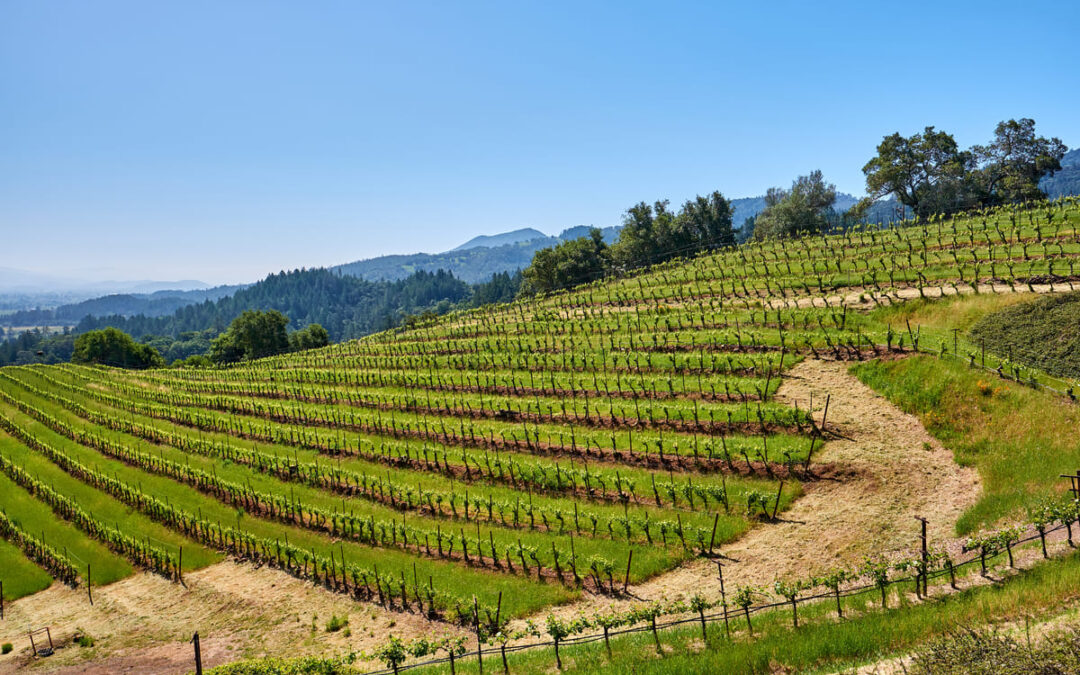
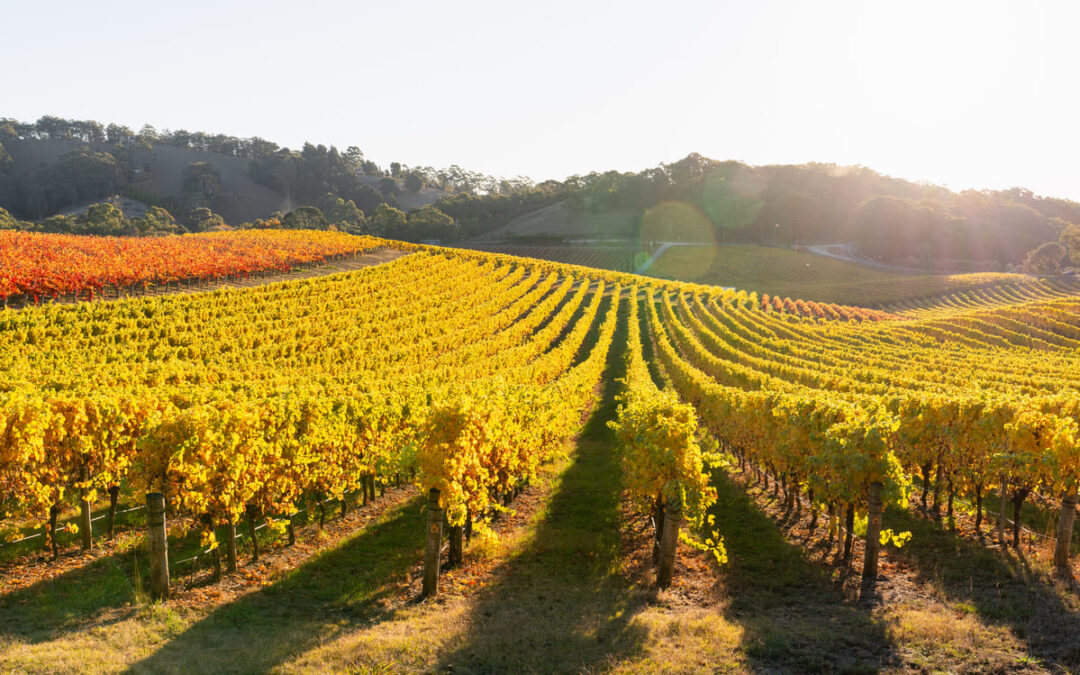
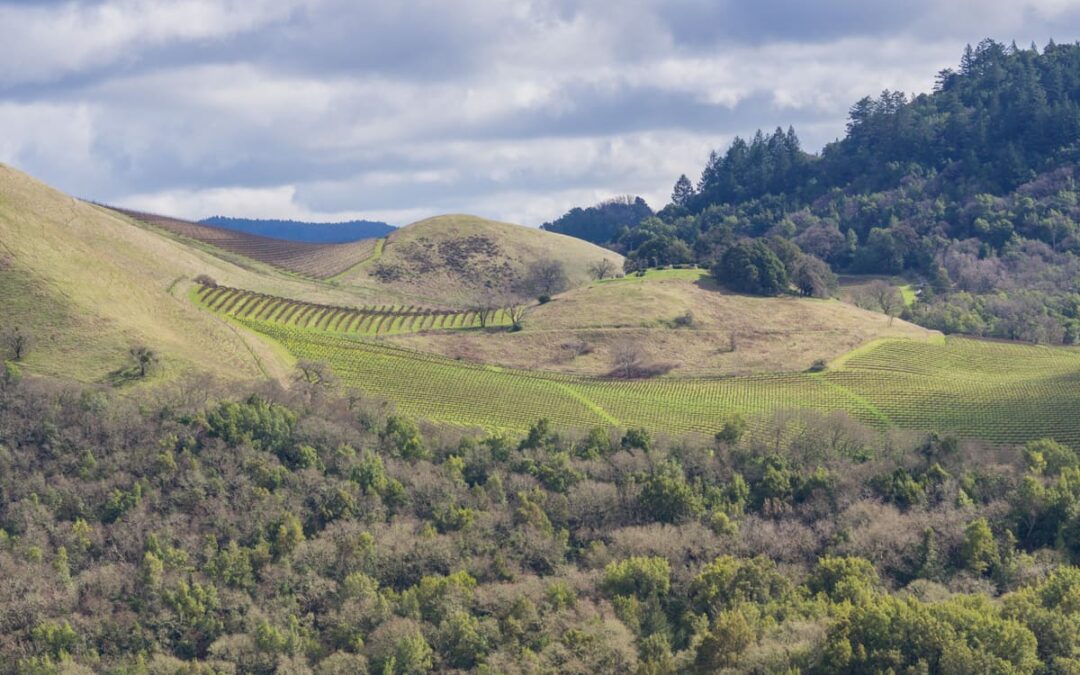
In the northern part of the Napa Valley, St. Helena American Viticultural Area (AVA) is in a dramatic hourglass shape. With mountains surrounding on either side, diverse soils, and plenty of distance from San Pablo Bay, the region is consistently warm compared to...
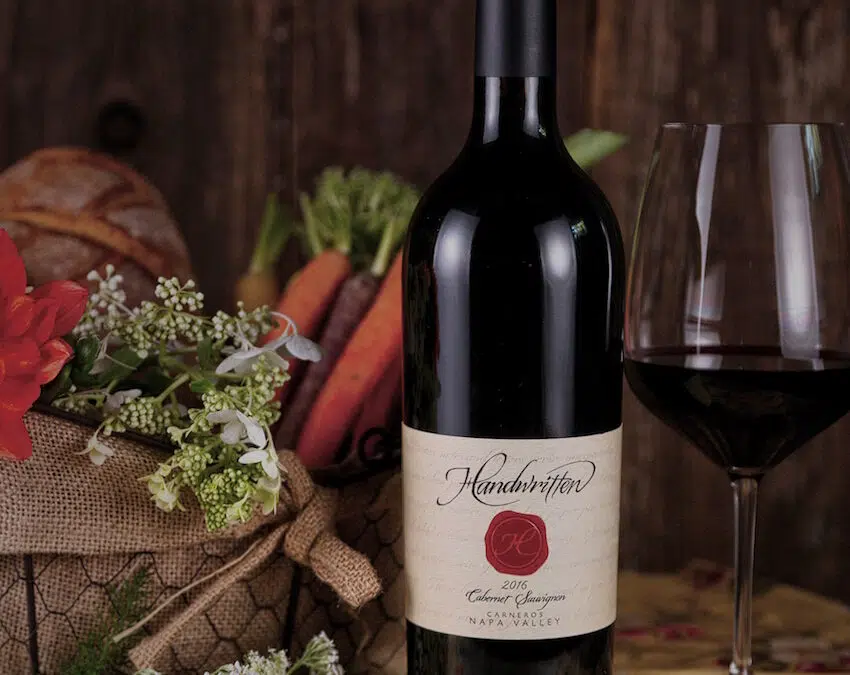
The Los Carneros American Viticultural Area (AVA) stretches across both Napa and Sonoma counties; it is a unique bridge between two spectacular worlds. In the Napa Valley, it’s the southeaster-most AVA, and its proximity to the San Pablo Bay offers a cooling influence...
The Coombsville American Viticultural Area (AVA) was officially designated in 2011, making it one of the newest appellations in the Napa Valley. Joining the ranks of historical, nearby AVAs, Coombsville is very much an up-and-coming region with many beautiful wines...
Surrounding the town of Yountville, the Yountville American Viticultural Area (AVA) holds the key to the story of Napa Valley. The first grapes in Napa were planted here in 1836—the rest is history. The Yountville AVA is in the southern part of the Napa Valley with...
North of the City of Napa, the Stags Leap American Viticultural Area (AVA) is a valley within a valley. Just a mile wide and three miles long, the position of the district creates a wind tunnel that slows ripening and vine growth, extending the growing season. The...
The Mt. Veeder AVA is a 25-mile appellation in the Mayacamas Mountain Range. Between Sonoma and Napa Valley, an arm’s reach from the San Pablo Bay, this area is exceptionally cool. For its size, it might seem surprising how few vineyards are actually planted...